
Blog
Bone-In vs Boneless Biryani: Which One Has More Flavor?

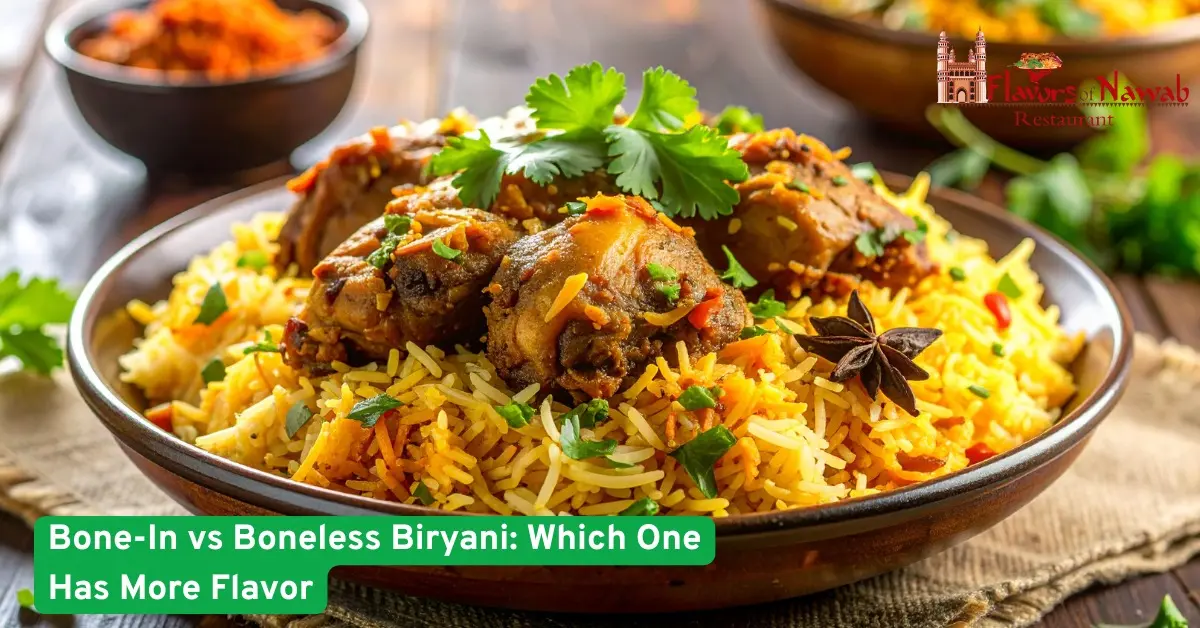
The great debate over Bone-In vs Boneless Biryani: Which One Has More Flavor is more than just a matter of convenience; it is a question of culinary science and tradition. For the discerning American diner seeking an authentic South Asian experience, understanding this choice is key to unlocking the true depth of Nizami cuisine. Whether you prefer the ease of tender breast pieces or the robust profile of bone-in cuts, the way heat interacts with the skeletal structure of the meat changes the entire composition of the rice. Research into food chemistry indicates that marrow and connective tissues release collagen and amino acids during slow cooking, which act as natural flavor enhancers—a fact that explains why traditionalists rarely compromise on the bone.
The Culinary Science of the Bone
To settle the score on Bone-In vs Boneless Biryani: Which One Has More Flavor, we have to look at what happens inside the Deg (cooking pot). When meat is cooked on the bone, the bone acts as a thermal conductor, distributing heat evenly from the inside out.
1. Collagen and Gelatin Release
As the Biryani undergoes the Dum (slow-steaming) process, the collagen in the bones breaks down into gelatin. This gelatin seeps into the surrounding Basmati rice, giving it a silky, “fatty” mouthfeel that boneless meat simply cannot provide.
2. The Umami Factor
The marrow inside the bone is a powerhouse of fat and minerals. As it renders, it releases a deep, savory “umami” taste. This is why the rice surrounding a bone-in piece often tastes significantly richer than the rest of the plate.
The Case for Convenience: When Boneless Wins
While traditionalists swear by the bone, the modern American lifestyle often prioritizes seamless dining. Boneless biryani has gained massive popularity for several reasons:
- Ease of Consumption: Perfect for corporate lunches, quick dinners, or children who may struggle with small bones.
- Uniformity: Every bite offers the same ratio of meat to rice, ensuring a consistent experience throughout the meal.
- Faster Marinade Absorption: Without the density of the bone, spices and yogurt marinades can sometimes penetrate smaller boneless chunks more quickly.
However, if your primary goal is the ultimate sensory experience, the “messy” bone-in version remains the undisputed champion of depth and aroma.
Multidimensional Flavor Profile that you Love:
The richness of a Biryani isn’t just about the meat; it’s about the synergy of ingredients. In Hyderabadi cooking, we utilize specific entities that complement the meat choice:
- Long-Grain Basmati: The rice acts as a sponge for the juices released by the meat.
- Kachhi Yakhni: This technique involves marinating raw meat and cooking it with parboiled rice. The bone-in meat releases juices slowly, perfectly timing its doneness with the rice.
- Aromatic Spices: Saffron, star anise, and mace cling to the gelatinous coating provided by bone-in cuts, lingering longer on the palate.
In the context of Bone-In vs Boneless Biryani: Which One Has More Flavor, the answer is almost always bone-in for those who want a multi-dimensional flavor profile that changes with every bite.
Frequently Asked Questions (FAQs)
1. Is bone-in biryani harder to cook?
It requires more precision. Bone-in meat takes longer to reach the perfect tenderness, requiring a master chef to ensure the rice doesn’t get mushy while the meat is still cooking.
2. Why does boneless meat sometimes feel dry in biryani?
Boneless cuts, especially breast meat, lack the fat and connective tissue that protect the meat from drying out during the long steaming process.
3. Which one is healthier?
Both are high-protein options. However, bone-in meat provides additional minerals like calcium and phosphorus that leach into the gravy during cooking.
4. Can I get a mix of both?
Many authentic restaurants offer a “special” cut that includes both bone-in and boneless pieces to satisfy all preferences.
5. Does the type of meat matter (Chicken vs. Goat)?
Yes. In Goat (Mutton) Biryani, the bone is essential because red meat bones contain more marrow, which is vital for the signature “gamey” richness of the dish.
Why Choose Flavors of Nawab?
At Flavors of Nawab, we honor the ancestral secrets of the Deccan. We understand that our US-based patrons value both authenticity and quality. Whether you choose our succulent boneless options for a clean meal or our traditional bone-in delicacies to explore Bone-In vs Boneless Biryani: Which One Has More Flavor, we guarantee a royal experience. Flavors of Nawab uses only premium cuts and aged Basmati, ensuring that the labor-intensive Dum process is never rushed. Our expertise in spice-blending and heat management makes us the top choice for those who refuse to settle for “average” Indian food.
Savor the Soul of Hyderabad
Ultimately, the choice depends on your occasion. If you are looking for the most robust, aromatic, and deep flavor profile, the bone-in tradition is the way to go. It is the gold standard of Nizami hospitality.
Taste the Royalty
Ready to decide for yourself? Whether you’re a fan of the bone or a boneless enthusiast, we have the perfect pot waiting for you. Visit Flavors of Nawab today to order your authentic Hyderabadi feast and experience true culinary craftsmanship.