
Blog
A Beginner’s Guide to Indian Spices: Understanding Flavor, Aroma and Balance

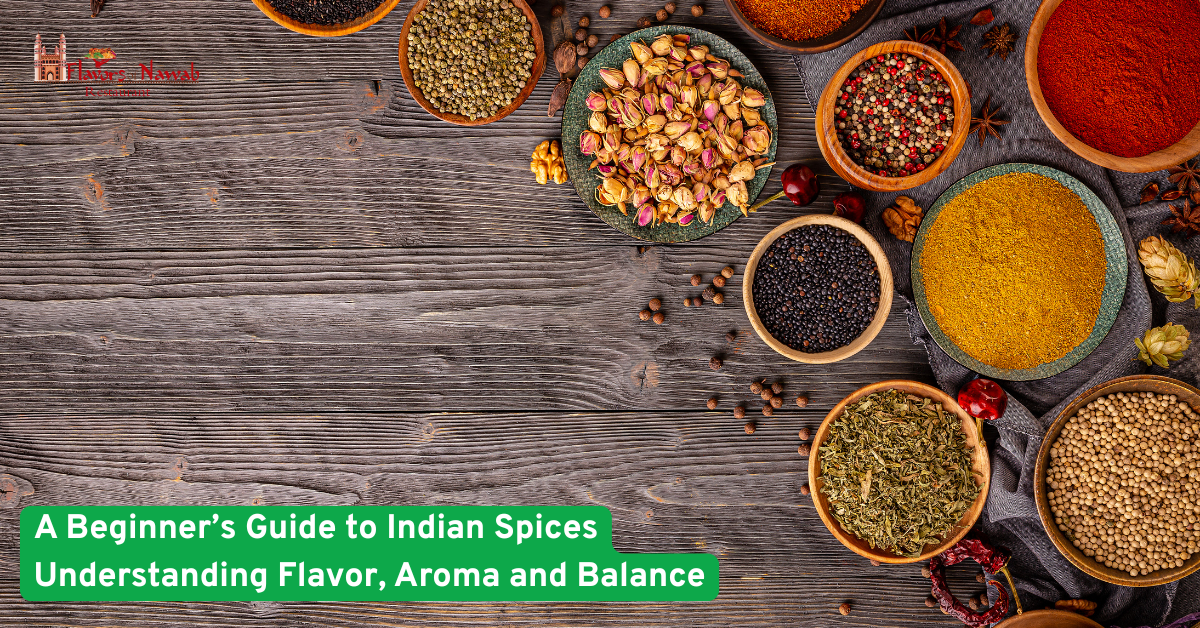
Indian cuisine is a celebration of flavors, and at the heart of every delicious dish lies a carefully selected blend of spices. A beginner’s guide to Indian spices: understanding flavor, aroma, and balance is your perfect starting point to navigate the aromatic and vibrant world of spices used in Indian cooking. Whether you’re a culinary enthusiast or a newbie looking to explore Indian cuisine, understanding the role of each spice can take your cooking experience to the next level. According to research, the right combination of spices can not only enhance flavor but also bring out the unique qualities of each ingredient. In this guide, we will introduce you to the essential spices that define Indian food and teach you how to balance them for a perfect dish every time.
Why Spices Are Essential in Indian Cuisine
Indian cuisine is known for its bold, rich flavors, and spices are the key to achieving this complexity. Unlike some other culinary traditions, Indian cooking often combines multiple spices in a single dish, each contributing its own characteristic taste and aroma. The art of balancing these spices—whether it’s the fiery heat of chili or the earthy warmth of cumin—creates a depth of flavor that makes Indian food truly unique. For those new to the world of Indian spices, it can seem overwhelming, but once you understand how to balance and pair them, your dishes will burst with authenticity and flavor.
Key Benefits of Indian Spices:
- Enhance flavor: Spices like cumin, turmeric, and garam masala bring layers of flavor to any dish.
- Boost aroma: The right combination of spices will create an irresistible fragrance that makes Indian food stand out.
- Balance heat: Some spices help tame the heat from chilies, ensuring that the dish isn’t overwhelmingly spicy but perfectly balanced.
Essential Indian Spices Every Beginner Should Know
Here’s a breakdown of the most commonly used spices in Indian cooking, their flavor profiles, and how they contribute to the overall taste of the dish.
1. Cumin (Jeera)
Cumin is one of the most essential spices in Indian cuisine, often used as a base for curries, stews, and soups. It has a warm, earthy flavor with a slight citrusy undertone. When toasted, its flavor intensifies and deepens, making it perfect for enhancing the complexity of a dish. Cumin is often paired with coriander to create a balanced flavor profile.
Uses:
- Added to tempering (tadka) for dals and curries
- Ground into spice blends like garam masala
Tip: For extra flavor, dry roast cumin seeds before adding them to your dishes.
2. Coriander (Dhania)
Coriander is known for its slightly sweet, citrusy flavor, and is often used in both its ground and whole seed forms. It complements the earthy tones of cumin and adds a fresh, zesty note to Indian curries, sauces, and chutneys. Coriander also balances out the heat from spicy ingredients.
Uses:
- Ground for curries, marinades, and spice blends
- Whole seeds for tempering and garnishing
Tip: Add fresh coriander leaves as a garnish to your dishes for a burst of freshness.
3. Turmeric (Haldi)
Turmeric is the golden spice that provides Indian dishes with their distinct yellow color. It has a mild, earthy flavor and is well known for its health benefits, especially its anti-inflammatory properties. While its flavor is subtle, turmeric plays a critical role in providing depth and warmth to dishes like dal, curries, and rice.
Uses:
- Adds color and flavor to curries, rice, and stews
- Commonly used in rice dishes like biryani or pulao
Tip: Always pair turmeric with black pepper to increase its bioavailability.
4. Garam Masala
Garam masala is a blend of several spices, typically including cumin, coriander, cardamom, cloves, and cinnamon. The combination of spices in garam masala creates a deep, aromatic flavor profile that’s used in nearly every Indian dish. It’s often added at the end of cooking to preserve its full flavor and aroma.
Uses:
- Used as a finishing spice in curries and stews
- Sprinkled over vegetables, rice, or grilled meats
Tip: Use sparingly, as its bold flavors can easily overpower a dish.
5. Chili Powder (Lal Mirch)
Chili powder adds the heat and spice that Indian dishes are known for. There are various types of chili powder, each with its own level of heat, so it’s important to adjust the amount based on your desired spice level. Chili powder is often combined with other spices to provide both flavor and heat.
Uses:
- Adds heat to curries, sauces, and snacks like samosas
- Can be used to marinate meats or vegetables
Tip: For milder heat, opt for Kashmiri chili powder, which provides a rich color and moderate spice.
How to Balance Spices in Indian Cooking
Balancing the heat, aroma, and flavor of spices is an art in Indian cuisine. Too much of one spice can overpower a dish, while too little can leave it bland. Here’s how to balance the essential spices in your cooking:
- Start with a base: Most Indian dishes begin with a base of oil, onions, and ginger-garlic paste, which allows the spices to infuse the dish with flavor.
- Layer the spices: Add spices in stages during cooking to develop depth. Begin with the whole spices, followed by ground spices, and finish with garam masala.
- Adjust to taste: Taste as you go and adjust the spices to your preference. Add chili powder for heat, turmeric for color, and garam masala for a finishing touch.
Why Choose Flavors of Nawab for Authentic Indian Cuisine?
We are passionate about delivering the finest Indian cuisine that highlights the flavors, aromas, and textures of traditional recipes. Our chefs expertly balance a range of spices to create authentic dishes that transport you straight to the heart of India. Whether you’re craving a spicy curry, a flavorful biryani, or a sweet dessert, our menu offers a wide array of options to suit every taste. Our commitment to quality ingredients and authentic cooking methods makes us a top choice for those looking to experience the true flavors of India.
Frequently Asked Questions (FAQs)
- What is the best spice for beginners in Indian cooking?
Cumin and coriander are great starting points. They’re versatile and commonly used in many Indian dishes.
- How can I add heat to a dish without overpowering it?
Use chili powder sparingly or opt for milder varieties like Kashmiri chili for a rich color and moderate heat.
- Can I make garam masala at home?
Yes! Garam masala is easy to make at home by combining spices like cumin, coriander, cloves, and cardamom in the right proportions.
- What can I substitute for fresh coriander leaves?
If fresh coriander is unavailable, try using dried cilantro or mint as an alternative.
- Why is turmeric important in Indian cuisine?
Turmeric provides a distinctive color and earthy flavor to dishes, and it’s known for its anti-inflammatory properties.
- How do I balance the flavor of turmeric in a dish?
Pair turmeric with other spices like cumin and coriander to balance its flavor. Use sparingly, as its strong earthy taste can overwhelm.
- Can I use ground spices instead of whole spices in Indian cooking?
Yes, but whole spices often provide a fresher, more aromatic flavor. If using ground spices, add them at different stages of cooking to build flavor.
Experience Authentic Indian Flavors Today
Ready to explore the best spices used in Indian cooking? Visit Flavors of Nawab today to experience authentic Indian dishes prepared with the finest spices, perfectly balanced to enhance every bite. Let our expert chefs take you on a flavorful journey!