
Blog
The Complete Guide to Indian Cooking Oils and Their Uses

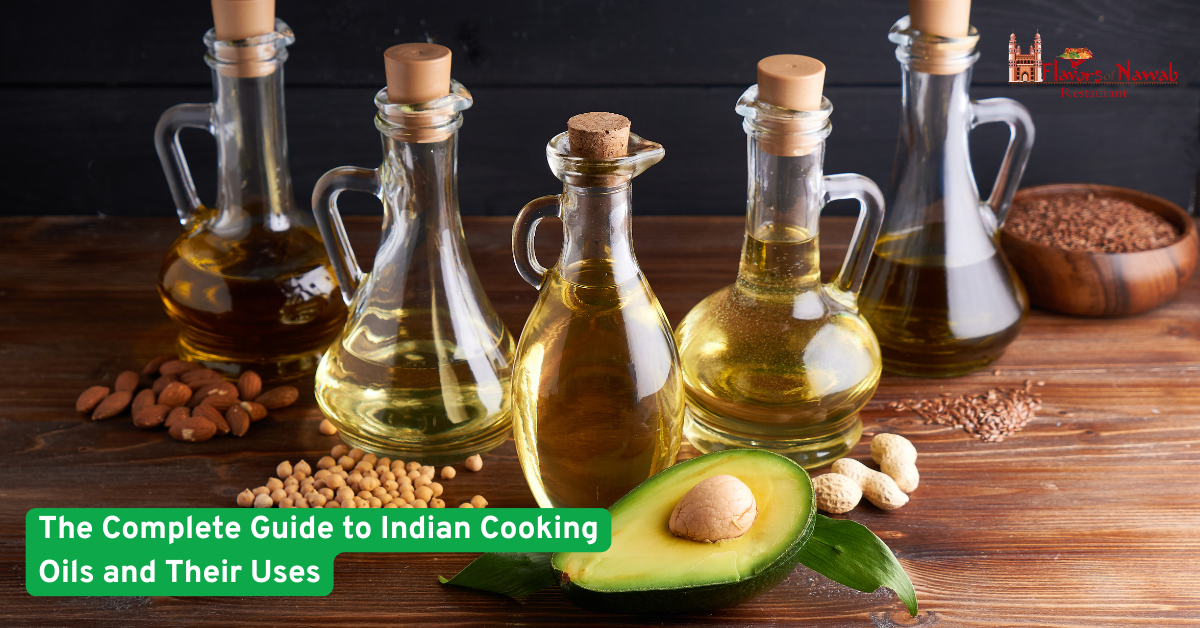
Indian cuisine is famous for its bold flavors, aromatic spices, and diverse cooking techniques. However, one essential ingredient that plays a major role in defining taste and authenticity is cooking oil. Choosing the right oil can enhance flavor, improve nutrition, and bring out the true essence of traditional Indian dishes.
In this complete guide, we’ll explore the most popular Indian cooking oils, their uses, benefits, and how to select the best one for your cooking needs.
Why Cooking Oils Matter in Indian Cuisine
Cooking oils are more than just a medium for frying—they are a key part of the flavor profile in Indian food. Each oil has its own unique aroma, smoke point, and nutritional value, making it suitable for specific dishes.
For example:
- Mustard oil adds a sharp, pungent taste
- Ghee provides richness and depth
- Coconut oil gives a distinct South Indian flavor
Using the right oil helps you achieve authentic taste and better health benefits.
Mustard Oil (Sarson Ka Tel)
Mustard oil is widely used in North and East India, especially in Bengali cuisine.
✔ Flavor Profile
Strong, pungent, and slightly spicy
✔ Best Uses
- Pickles (Achar)
- Fish curries
- Traditional Bengali dishes
✔ Health Benefits
- Rich in omega-3 fatty acids
- Known for antibacterial properties
Pro Tip: Always heat mustard oil until it reaches its smoking point before cooking to reduce its raw pungency.
Ghee (Clarified Butter)
Ghee is a staple in Indian households and has been used for centuries in both cooking and Ayurvedic practices.
✔ Flavor Profile
Rich, nutty, and aromatic
✔ Best Uses
- Tadka (tempering lentils)
- Biryani
- Indian sweets like halwa and ladoo
✔ Health Benefits
- Contains healthy fats
- Supports digestion when used in moderation
Ghee adds a luxurious and traditional touch to any dish.
Coconut Oil
Coconut oil is a key ingredient in South Indian cooking, especially in Kerala and Tamil Nadu.
✔ Flavor Profile
Mildly sweet and tropical
✔ Best Uses
- Dosa and sambar
- Kerala-style curries
- Stir-fried vegetables
✔ Health Benefits
- Contains medium-chain fatty acids
- Provides quick energy
Coconut oil is essential for achieving authentic South Indian flavors.
Groundnut Oil (Peanut Oil)
Groundnut oil is commonly used in Western India, particularly in Gujarati and Maharashtrian cuisine.
✔ Flavor Profile
Mild and slightly nutty
✔ Best Uses
- Deep frying (samosas, pakoras)
- Everyday cooking
✔ Health Benefits
- High smoke point
- Contains heart-friendly fats
It is ideal for crispy, fried Indian snacks.
Sunflower Oil
Sunflower oil is one of the most commonly used oils in modern Indian kitchens.
✔ Flavor Profile
Light and neutral
✔ Best Uses
- Daily cooking
- Frying and sautéing
✔ Health Benefits
- Rich in vitamin E
- Low in saturated fats
It’s a great choice for those who prefer a lighter and healthier cooking option.
Olive Oil (Modern Indian Cooking)
Olive oil is not traditionally used in Indian cooking but has gained popularity in modern kitchens.
✔ Flavor Profile
Fruity and smooth
✔ Best Uses
- Salad dressings
- Light sautéing
- Fusion Indian recipes
✔ Health Benefits
- Rich in antioxidants
- Supports heart health
It’s best suited for light cooking rather than traditional recipes.
How to Choose the Right Cooking Oil
When selecting a cooking oil, consider the following factors:
- Smoke Point: High smoke point oils are best for frying, while low smoke point oils are ideal for light cooking.
- Flavor: Choose oils that complement the dish you are preparing.
- Health Benefits: Look for oils with balanced fats and essential nutrients.
- Cuisine Type: Some oils are better suited for specific regional dishes.
Quick Guide:
- Use mustard oil for North and East Indian dishes
- Use coconut oil for South Indian recipes
- Use ghee for rich, festive meals
- Use sunflower or groundnut oil for daily cooking
Expert Tips for Using Cooking Oils
- Rotate different oils to maintain a balanced diet
- Avoid reheating oil multiple times
- Store oils in a cool, dark place
- Use ghee in moderation for better health
FAQs About Indian Cooking Oils
1. Which oil is best for Indian cooking?
There is no single best oil. It depends on the dish. Mustard oil, ghee, and sunflower oil are commonly used for different purposes.
2. Is ghee healthier than cooking oil?
Ghee can be healthier in moderation due to its natural fats and digestive benefits, but excessive use should be avoided.
3. Can olive oil be used for Indian cooking?
Yes, olive oil can be used for light cooking and fusion recipes, but it is not ideal for traditional Indian dishes.
4. Which oil is best for deep frying Indian food?
Groundnut oil and sunflower oil are excellent choices due to their high smoke points.
5. Why is mustard oil popular in India?
Mustard oil is valued for its strong flavor and health benefits, making it ideal for traditional recipes.
Conclusion
Understanding the different types of Indian cooking oils is essential for creating authentic and flavorful dishes. Each oil has its own unique characteristics that enhance specific recipes. By choosing the right oil, you can elevate your cooking, improve nutrition, and enjoy the true essence of Indian cuisine.
Call to Action (CTA)
Ready to enjoy authentic Indian flavors without the hassle of cooking?
Visit Flavors of Nawab today and experience delicious, traditional dishes made with premium ingredients and authentic cooking techniques. From rich curries to aromatic biryanis, every bite is crafted to perfection.
Order now or visit us to taste the difference!